You notice it in photos first, those faint lines that used to melt when you stopped smiling now linger. Someone mentions a “lunchtime injection” that softens them without a trace. That is usually the gateway to botulinum toxin type A, the most studied wrinkle relaxer in aesthetics and a workhorse in neurology and dermatology.
I have treated first timers, skeptics, and veteran clients who schedule their botulinum injection like clockwork every quarter. The most successful experiences share the same DNA: a clear plan, realistic expectations, and meticulous technique. If this is your first time, or your first time in a while, here is the playbook I wish everyone had before sitting in the chair.
What botulinum toxin type A actually does
Botulinum toxin type A is a purified neurotoxin. In tiny, controlled doses, it blocks acetylcholine release at the neuromuscular junction, which reduces the ability of a specific muscle to contract. That is why it works so well for dynamic wrinkle treatment, the lines etched by repeated expressions, like forehead wrinkle treatment, frown line correction for the glabellar complex, and crow’s feet correction around the eyes.
The effect is local. It does not “travel” through the bloodstream to sedate your whole face. Think of it as a finely targeted muscle relaxant treatment delivered with a micro-needle. Depending on the brand and technique, results typically emerge in 2 to 7 days, with a full effect around day 10 to 14. The softened movement lasts about 3 to 4 months in most people, extending to 5 or 6 months for some areas or after several consistent cycles.
The brands and why units are not interchangeable
There are several FDA and CE approved formulations of botulinum toxin type A. In the United States, you will commonly see onabotulinumtoxinA, abobotulinumtoxinA, incobotulinumtoxinA, and prabotulinumtoxinA. Internationally, there are other established labels. Each uses its own proprietary complexing proteins, manufacturing process, and unit definition.
Here is the single most important point about dosing: units are brand specific. Ten units of one brand do not equal ten units of another. A standard glabellar line treatment might be 20 units with one product, yet 50 units with another. If you compare quotes or old treatment sheets, always note the brand and total volume, not just the number.
What “natural” means in practice
Natural does not mean no movement. Natural means the muscle still participates, just with less intensity. For most first time patients, I target a 20 to 30 percent reduction in movement in the brow elevators and a stronger reduction in the frown muscles. That combination keeps your expressive range while smoothing the etched “11s.”
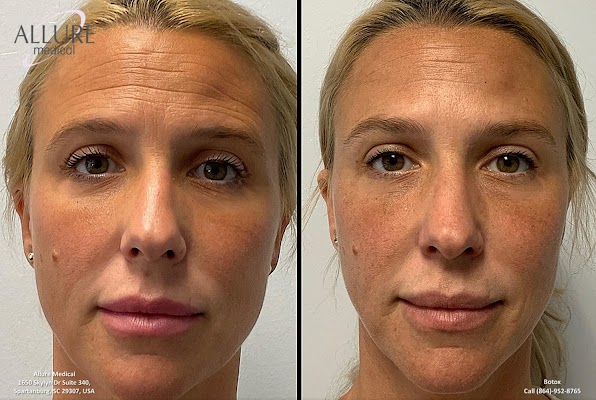
Two variables drive the look you get: dose and placement. A deft injector respects the vector of each muscle and the anatomy of your brow and eyelids. That is how you get subtle botox results, the refreshed look botox clients often want, instead of a frozen forehead or asymmetric brow. If you hear “we do the same map for everyone,” keep walking.
How appointment flow should feel
Your first botulinum evaluation consultation should not start with a syringe. Expect a short medical history, a discussion of goals, photos at rest and with exaggerated expressions, and a plan that explicitly lists areas, estimated units, and anticipated effects. I have patients frown, raise their brows, squint, flare their nostrils, and clench their jaw. We review asymmetries, brow position, and any prior botulinum treatment. Honest disclosure about past results, including what you disliked, improves outcomes.
Numbing is rarely necessary for neurotoxin injections. I use a 31 or 32 gauge needle, clean the skin, and rely on brief, precise passes. Most sessions take 10 to 15 minutes. It is the archetypal lunchtime botox visit because down time is minimal.
Areas that benefit, from common to advanced
Upper face botox remains the cornerstone: forehead lines, glabellar line treatment, and crow’s feet correction. A soft dose lateral to the iris can give a gentle eyebrow lift injections effect by relaxing the lateral orbicularis oculi, which allows the brow elevator to win by a small margin. For those with hooding or a tendency toward ptosis, this must be conservative.
Moving to the midface and lower face botox is more nuanced. Tiny injections to the depressor anguli oris can soften a downturn at the corners of the mouth. A touch in the mentalis can reduce chin dimpling for chin contouring botox. Platysmal band injections in the neck can create a subtle botox mini lift effect when combined with jawline enhancement botox in masseteric hypertrophy. These require an injector who understands your smile mechanics and speech patterns, since misplacement can create a crooked smile for several weeks.
Beyond aesthetics, therapeutic botox plays a role in migraines, temporomandibular joint disorder, and muscle hyperactivity. I see strong functional gains in patients with botox for TMJ and botox for jaw pain, where masseter injections reduce clenching and the accompanying headaches. For athletes with trapezius tension, botox for trapezius can soften hypertrophic bands that ache under a backpack and visually slim the neck-shoulder line. Medical botox also treats hyperhidrosis. Botulinum treatment for excessive sweating hands, botox for armpits, and botox for palms can calm overactive sweat glands for 4 to 6 months, sometimes longer. The injections are shallow and more numerous, and the relief is often life changing.
A handful of uses get discussed more on social media than in clinics. Temple botox and botox for scalp sweating are legitimate in select cases, yet botox for hair growth remains unproven. Some clinicians offer micro botox, also called skin botox or aqua botox, placing highly diluted toxin intradermally to tighten pores and reduce superficial oiliness. The “botox facial” trend falls into this category. It can give a temporary skin smoothing effect, but it is not a substitute for full face botox that affects deeper movement.
The baby botox conversation
Preventative botox, sometimes called baby botox, aims to weaken specific muscles lightly before lines etch at rest. In my practice, this often means 6 to 10 units sprinkled across the glabella in a 25 year old who jets their brows every time they focus. The point is not zero movement, it is reducing the crease that becomes a permanent groove by your mid 30s. Done correctly, preventative dosing spaces out future needs and keeps the surface texture smooth. Overdone, it can flatten expression and push the brow downward. Less is more at first, with a botox touch up session two weeks later if needed.
What it feels like
Most describe it as a quick sting followed by minor pressure. Forehead and crow’s feet areas are uneventful. Upper lip and palms are spicier. Mild swelling and small dots may appear at each injection site for 10 to 20 minutes. Bruising is uncommon but can happen, especially around the eyes where small vessels are plentiful. If you have a big event, schedule at least 2 weeks ahead to allow for full effect and any bruise to fade.
I ask my patients to avoid vigorous exercise, hot yoga, and facials for the rest of the day. There is no need to manipulate or massage unless your injector gives specific instructions. Makeup can be applied after a few hours as long as the skin is clean.
Safety profile and who should skip it
Botulinum cosmetic and clinical botox have an excellent safety record when delivered by trained professionals. Transient headaches, small bruises, and temporary heaviness are the most common complaints and usually resolve in days. Less common issues include brow or eyelid ptosis, a droopy brow or lid resulting from migration into the levator best botox in Spartanburg palpebrae or over-relaxation of the frontalis. These events are technique dependent and dose dependent. Most correct on their own in 2 to 8 weeks.
There are groups who should not receive botulinum toxin. If you are pregnant or breastfeeding, hold off. People with certain neuromuscular junction disorders, like myasthenia gravis, should avoid neurotoxin treatment, and those on aminoglycoside antibiotics should postpone because of potential interactions. A history of allergic reaction to components of the formulation is an absolute contraindication. Always disclose all medications and supplements, especially blood thinners that can increase bruising.
How much will you need
The dose varies with muscle mass, baseline movement, sex, and your desired range of expression. As a ballpark for a first timer using a common onabotulinumtoxinA formulation, glabellar line treatment might be 15 to 25 units, forehead wrinkle treatment 6 to 12 units, crow’s feet correction 6 to 12 units per side. Masseter contouring ranges widely, from 20 to 40 units per side, depending on whether the goal is botox for jaw pain, facial contouring botox, or both.
Expect your first session to be conservative, with a planned botox follow up appointment at the two week mark for a small top up if one eyebrow needs a hair more lift or a lateral line still crinkles more than you want. The best outcomes come from that layered approach rather than trying to land perfection in a single pass.
Filler, lasers, and why combinations shine
Neurotoxin injections and filler serve different jobs. The wrinkle relaxer softens movement. Filler replaces volume or supports structure. If static lines remain after you quiet movement, a thin hyaluronic acid filler can be layered to efface the crease. I often use a botox with filler combo strategy for deep glabellar furrows or etched crow’s feet in mature skin, staggering sessions by 1 to 2 weeks to reduce diffusion risks. For etched forehead lines that persist, microneedling or a light resurfacing laser pairs well with anti wrinkle injections. The sequence matters: toxin first, then energy or filler, with enough buffer to avoid spreading product where you do not intend it.
A realistic timeline for your first cycle
Day 0 is your botox injection session. You walk out looking normal, with tiny blebs that fade quickly. Day 2 to 3, you notice less “furrowing power.” By day 7, you feel smoother. By day 14, the effect peaks. Somewhere between weeks 10 and 14 you begin to see movement return. Most repeat botox client schedules land at every 3 to 4 months for maintenance.
I coach new patients to book a botox maintenance plan after the second session, once we know how you metabolize. Some see sustained results at 4 to 5 months consistently, especially in the crow’s feet, while the forehead tends to “wake up” sooner. If you are using botox for migraines relief, many protocols follow a fixed map and timeline regardless of cosmetic effect, often every 12 weeks.
How to avoid a heavy brow or droopy eyelid
Two things cause these problems most often: poorly chosen injection points and over-treatment of the frontalis. Your forehead is the only elevator of the brow. If you paralyze it broadly, the brow will drift down, which feels heavy, particularly if you already have a low-set brow or hooded lids. The fix is strategic dosing that respects your anatomy, concentrating toxin lower in the frown complex while feathering tiny amounts in the upper third of the forehead. If you have a history of botox for droopy eyelids or you are apprehensive, tell your injector. There are tailored patterns that preserve lift.
I see occasional requests for a botox brow lift or temple botox to create a subtle upsweep. Done well, this is a delicate balance between weakening the lateral orbicularis and supporting the lateral frontalis. Done poorly, it causes a “Spock brow,” a sharp, unnatural arch that signals you had work done. The correction is a small top up in the peak of the arch to settle it.
A word on symmetry
Human faces are asymmetric. We all have a stronger frown side, a higher brow, a cheek that sits a few millimeters fuller. Botulinum treatment can improve facial symmetry by dampening dominant muscles. I often use a touch more dose on the heavier corrugator or a careful placement for botox for asymmetrical face concerns. Perfection is not the goal. Harmony is. A small imbalance can be charming. The aim is to avoid drawing the eye to a distracting crease or pull.
Beyond the face: when body treatments make sense
Not every clinic offers botox for shoulder slimming or botox for calf reduction, but these have niche indications. In patients with trapezius hypertrophy driven by chronic tension, small doses can soften the muscle silhouette and ease discomfort, particularly for those plagued by backpack or desk strain. Calf reduction involves higher doses and multiple points per gastrocnemius head and carries functional trade-offs. If you run or play sports, think carefully before reducing power in a muscle you depend on. The same principle applies to botox for leg slimming and botox for back pain; relief is possible, yet strength, gait, and posture must be monitored by a clinician who understands biomechanics.
Hyperhidrosis protocols are more straightforward. Botox for armpits can transform daily comfort, often keeping sweat minimal for 4 to 6 months. Palmar injections work as well, though they are tender and may cause transient hand weakness if dosing is not precise. Scalp treatments help those with scalp sweating that soaks hair and collars, with a bonus of longer-lasting blowouts for some. Claims about botox for body odor control are more nuanced. Sweat reduction can indirectly reduce odor because bacteria have less moisture to metabolize, but it is not a deodorant.
The role of micro dosing and skin-level work
Micro botox, baby botox, and aqua botox get used interchangeably online, yet they refer to different strategies. Micro botox usually means a grid of highly diluted toxin placed into the superficial dermis. The goal is not to paralyze muscles fully, but to reduce fine crinkling, pore appearance, and sebaceous activity. It shines on the lower face and nose where a heavy hand would inhibit speech or cause a smile quirk. Skin botox and the botox facial are variations. The glow is real for the right candidate, though the duration is shorter, often 6 to 8 weeks, compared to 3 to 4 months for standard intramuscular placement.
Preventative micro dosing across the forehead can keep etched lines from forming while preserving the ability to emote. This approach demands a steady hand and honest discussion about your job and lifestyle. Actors, teachers, and public speakers often prefer this non surgical wrinkle reduction that refines, not removes, expression.
Cost, value, and red flags
Pricing varies by geography, brand, and expertise. Some offices charge per unit, others by area. Per unit pricing usually ranges within a band that reflects the injector’s experience and the setting. A bargain that is dramatically below local norms should raise questions. Toxin is not a place to roll the dice on quality or sterility.
Ask how the product is stored and reconstituted. I prefer a standard dilution in preservative-free saline, mixed fresh daily. Over-dilution, or using vials too long after reconstitution, can blunt results. If a clinic will not share which brand they use, or refuses to document units administered, find another provider.
Aftercare that actually matters
Most aftercare rules are simple. Skip strenuous exercise, saunas, and tight hats for the rest of the day. Sleep on your back if you can. Avoid facials, microcurrent, or deep facial massage for about 24 hours. You do not need to “work it in,” and you do not need to contort your face to help it settle. If a bruise appears, arnica can speed recovery. A cold compress helps in the first hours, then switch to warmth the next day.
The effect ramps up on its own. Resist the urge to judge at day two. I schedule a 10 to 14 day check in for first timers to calibrate and, if needed, perform a small botox top up. That learning loop builds your ideal map and dose.
My take on timing and “prejuvenation”
There is a quiet cultural shift toward botox to delay wrinkles, sometimes called botox prejuvenation. I see the appeal, especially for those with hyperactive frown muscles or deep-set brows that engrave lines early. A minimal dose early can prevent creases that are harder to erase later. The line between smart prevention and over-treatment is personal. If you are under 25, I want a compelling functional reason or clearly demonstrable dynamic lines before I recommend starting. For patients in their 30s and 40s, a thoughtful botox refresh treatment every few months can maintain a natural botox look without chasing every tiny line.
Two streamlined checklists from the chair
- Vet your injector: board certification or verifiable training in aesthetic medicine; transparent brand and dosing; before and after photos of cases like yours; willingness to say no. Plan the session: pause blood thinners when safe with your physician; schedule 2 weeks before events; arrive makeup free; set a conservative first dose with a 2 week recheck. Know your goals: soften, not erase, movement; preserve brow position; address one or two priority areas first; embrace subtle botox results before escalating. Respect recovery: avoid workouts and heat that day; hands off the face; watch for small bruises; evaluate at day 10 to 14, not day 2.
Edge cases and when to choose something else
Not every line is a candidate for neurotoxin injections. Horizontal “necklace lines” from tech neck are better suited to skin treatments, dilute filler, or energy devices than neck rejuvenation botox alone. Nasal sidewall scrunch lines respond to tiny doses, but if you have a laugh that crinkles the midface widely, over-treating can stunt expression. Botox for nose tip lift and botox nose slimming float around social platforms, yet the effects are mild and patient selection is critical. For a truly drooping tip or wide nasal base, surgical or thread options may be more satisfying.
If skin laxity drives your concern, especially in the lower face, toxin will not tighten significantly. Skin tightening botox is a misnomer except in the context of micro botox that improves texture. True laxity needs collagen stimulation, energy devices, or surgical lift. For deep, etched perioral lines in smokers or sun-damaged skin, a combination of gentle toxin, resurfacing, and micro-filler works better than any single tool.
Building a maintenance plan you will actually follow
Consistency wins. A sustainable botox maintenance plan respects your budget and lifestyle. I like the rhythm of two or three core areas every 3 to 4 months, with occasional customization for seasons. Teachers often skip summer crow’s feet doses because they squint less out of the classroom lights. Runners may prefer lighter forehead dosing in winter when hats are snug. Align top ups with your calendar and take treatment photos at each visit. Over a year, those images tell a clearer story than memory alone.
If you miss a cycle, nothing breaks. Movement returns gradually, and you pick up where you left off. Some patients eventually stretch intervals to twice a year. Others prefer a steady quarterly schedule because it keeps their routine invisible, the hallmark of good nonsurgical facial rejuvenation.
What success looks and feels like
When botulinum cosmetic treatment succeeds, friends say you look rested, not “done.” Makeup sits smoother across the forehead and around the eyes. Your selfies stop fixating on the crease between your brows. Jaw clenchers wake with a relaxed face and fewer tension headaches. Those with hyperhidrosis go through a workday without changing shirts. Natural botox look is not a marketing phrase in those moments. It is your face, working better for you.
If you are ready for your first time botox experience, bring your questions and bring a photo from a good day when you felt like yourself. That is the target. A modest plan, a steady hand, and a thoughtful follow up will get you there, with all the nuance that only experience teaches.